These are the terms of a lock. They are short on purpose and there is nothing in them
that only matters when something goes wrong — the awkward cases are the reason the
page exists, so they are the ones stated most plainly.
From closing to settlement
Applies to lots sent under a price lock. Trade counterparties only.
The lock
A lock holds until the closed weight is delivered
How long it holds
There is no deadline. Your figure holds from the moment you close
until the full closed weight has been delivered, however long that takes. The market can do
whatever it likes in between and your figure does not move.
What it covers
The weight you closed, at the grade you declared. Both are checked on arrival.
Size limits
There is a ceiling on what we lock online, per lot and per day. If your lot is over it
the quote form will say so and put you in touch — larger lots are done directly, not
because there is a problem but because they are worth a conversation.
Cancelling
Before the package is scanned, tell us and the lock is released. After it is scanned
the lot is in transit and settlement runs as below.
When the lot and the declaration differ
This is normal and it is not treated as a problem. Nobody weighs a mixed lot to the
pennyweight before packing it, and grade is an estimate until it is assayed.
Four ways a lot can differ, and what happens
You send less than you closed
You are paid the locked price on what actually arrives. The shortfall stays locked at
the same price for whenever you send the rest.
You send more than you closed
The locked price applies up to the weight you closed. The excess settles at the market
on the day it arrives — it is still bought, just not at a price you locked.
The grade is not what you declared
The assay on arrival governs. Your declaration sets the quote; the
test sets the settlement. This is exactly why the assay happens while you are watching
rather than being reported to you afterwards.
You disagree with the assay
Say so on the call, before anything is agreed. If we cannot settle it there, the lot
goes back to you, insured and at our cost, in the condition it arrived. We would rather
return a lot than argue about one.
Carriage and cover
Who pays
We do, both ways, including a return if the deal does not close.
When cover starts
At the first carrier scan. Hand the package over at a counter and take a receipt.
A package left in a drop box is not covered until it is scanned, and that
may not be the same day.
Packing
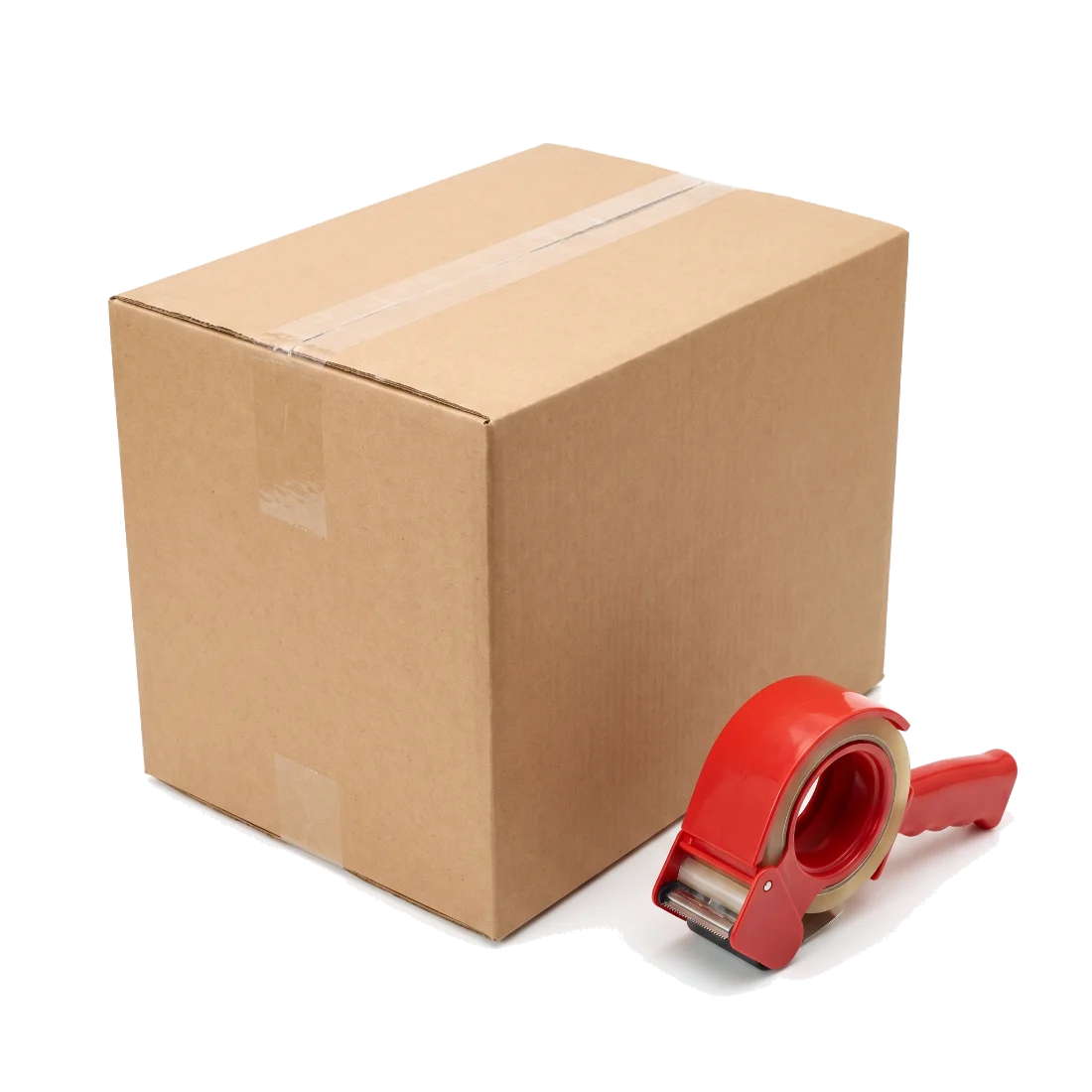
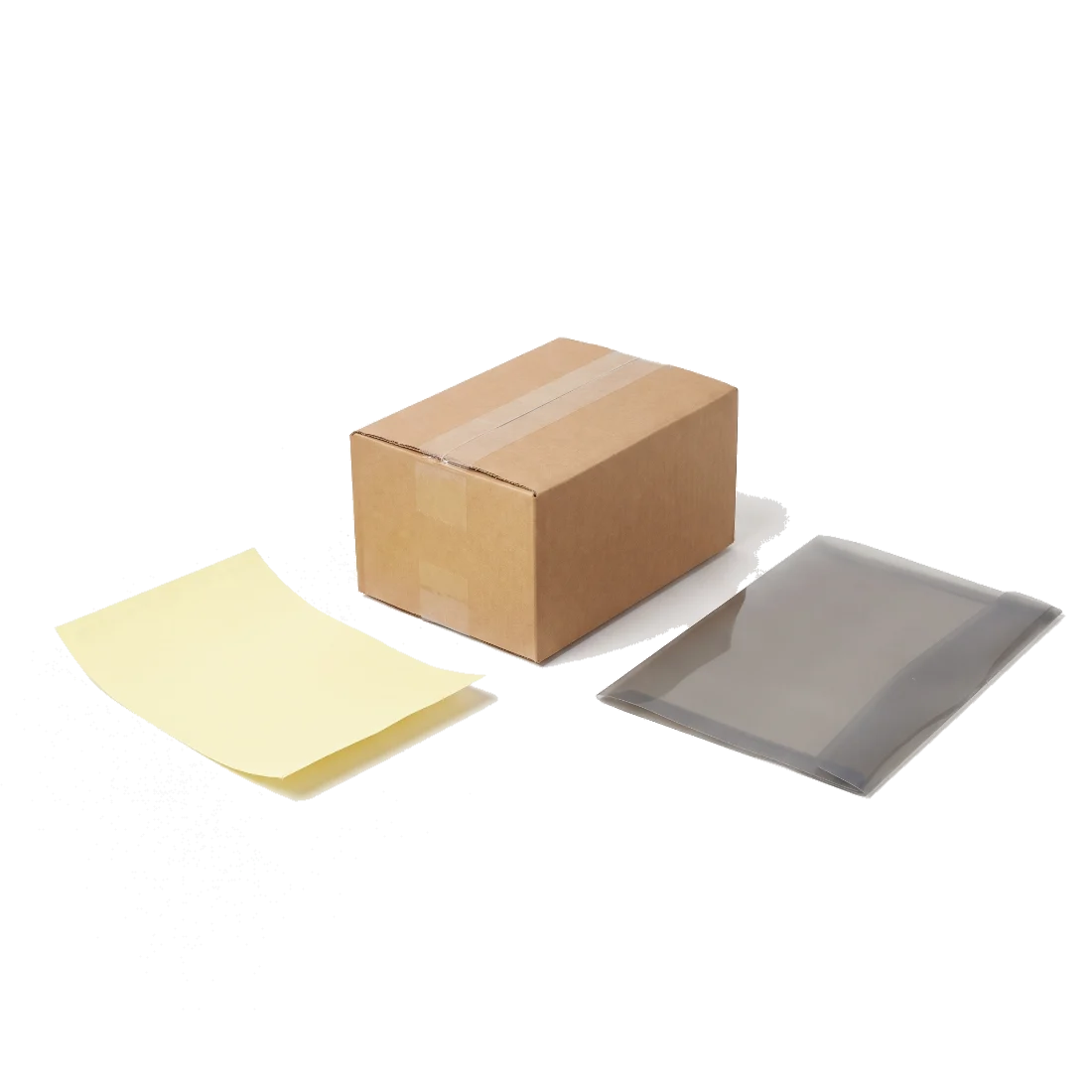
The container is the box. Put the lot in it and seal it. There is
nothing to print, nothing to attach and nothing to pay for, and nothing on the outside says
what is inside. Do not send in your own carton or on your own account — the cover is
attached to the container we send.
When the container arrives
We declare the closed value to our carriage insurer, who sends the container to the
street address you gave, and we email you the tracking when it goes out. This is why the
lock has no deadline: your figure holds while you wait for it.
If a package is lost
It is our loss, not yours, from the first scan onward. That is what the cover is for
and it is the reason we ask for the counter receipt.
Sealed and tapedHanded over at a counter
Settlement
When
Same day, once the assay is agreed on the call.
Weights
Everything is recorded and settled in the unit you sent it in. We do not convert your
weight into another unit and hand it back — the figure you check should be the figure
you weighed.
Who we buy from
Trade counterparties. If you are not in the trade, this program is not aimed at you.
If anything here is unclear before you send a lot, ask first.
A question answered before the box is packed costs nothing. The same question after it has
shipped costs a return.