
Lock your price before the box leaves your counter.
Roizin has bought scrap gold, silver and platinum from the trade since 1976, out of Booth 57 in the 37 West Jewelry Exchange. If you are too far to walk in, the lot travels instead of you — and the number is agreed before it moves.
Every part of the gap is covered.
Insured both ways, at our cost
Close, and an insured container comes to your street address. Cover starts at the first carrier scan and runs until the lot is settled — and back to you again if it is not.
The price you locked is the price you are paid
Fixed at the moment you close it. The market can do what it likes while the box is in transit and your figure does not move.
You watch the XRF assay
Booked for when the lot lands. Weighed on camera and read on XRF on live video, and nothing is agreed until you have seen it.
Settled the same day
Once the assay is agreed on the call. Not on a statement cycle, and not when the metal moves on afterwards.
The risk stops being yours at the counter
From the moment the carrier scans the package it is our exposure, not yours. That is why we ask you to hand it over and take a receipt.
Fifty years of doing it
Roizin has bought from the trade since 1976, from the same block. The mail-in program is a longer arm on an old business, not a new one.
Scrap and bench material, in whatever state it is in.
Nothing needs sorting, cleaning or straightening before it goes in the box. Mixed lots are the normal lot, and they are separated on camera when they arrive.
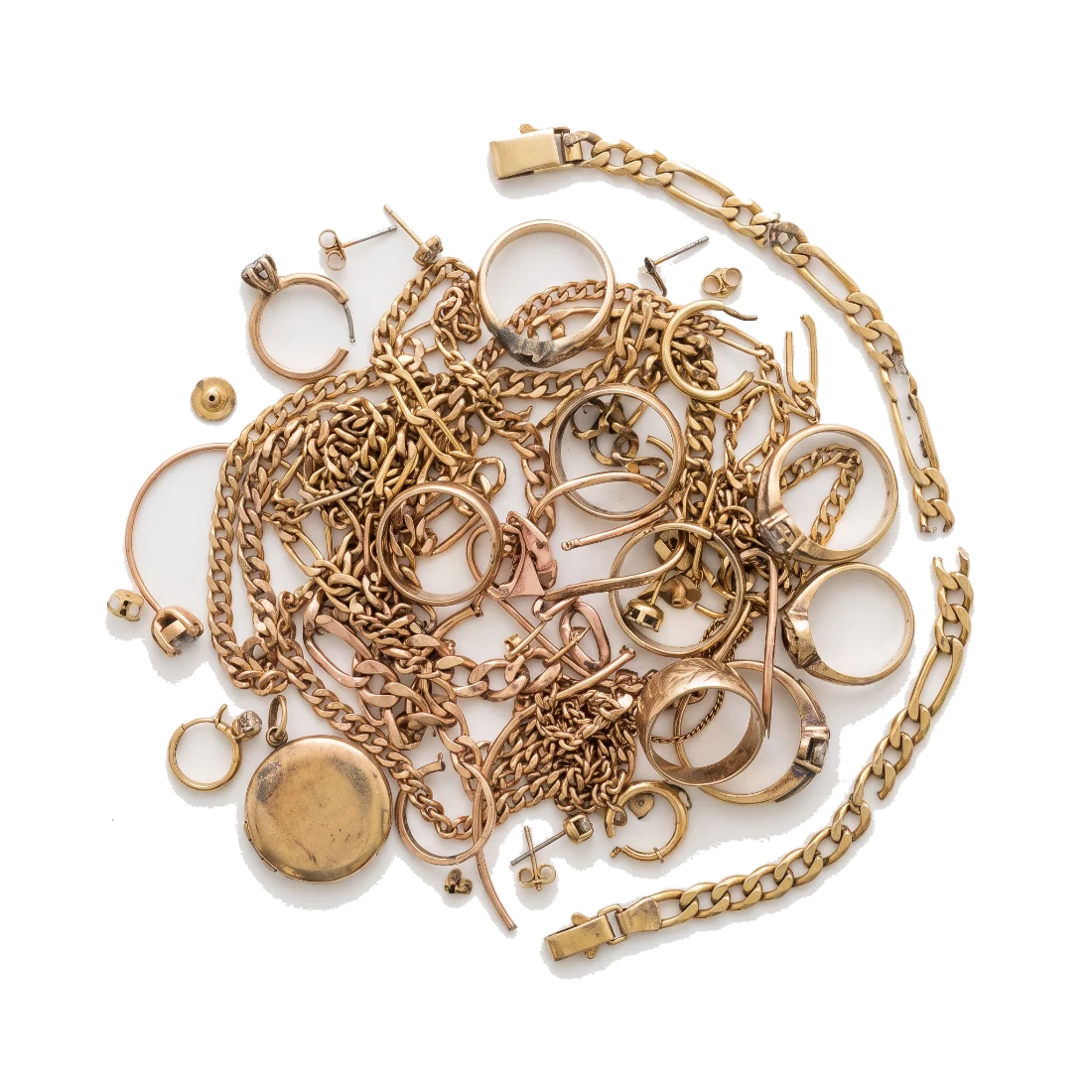
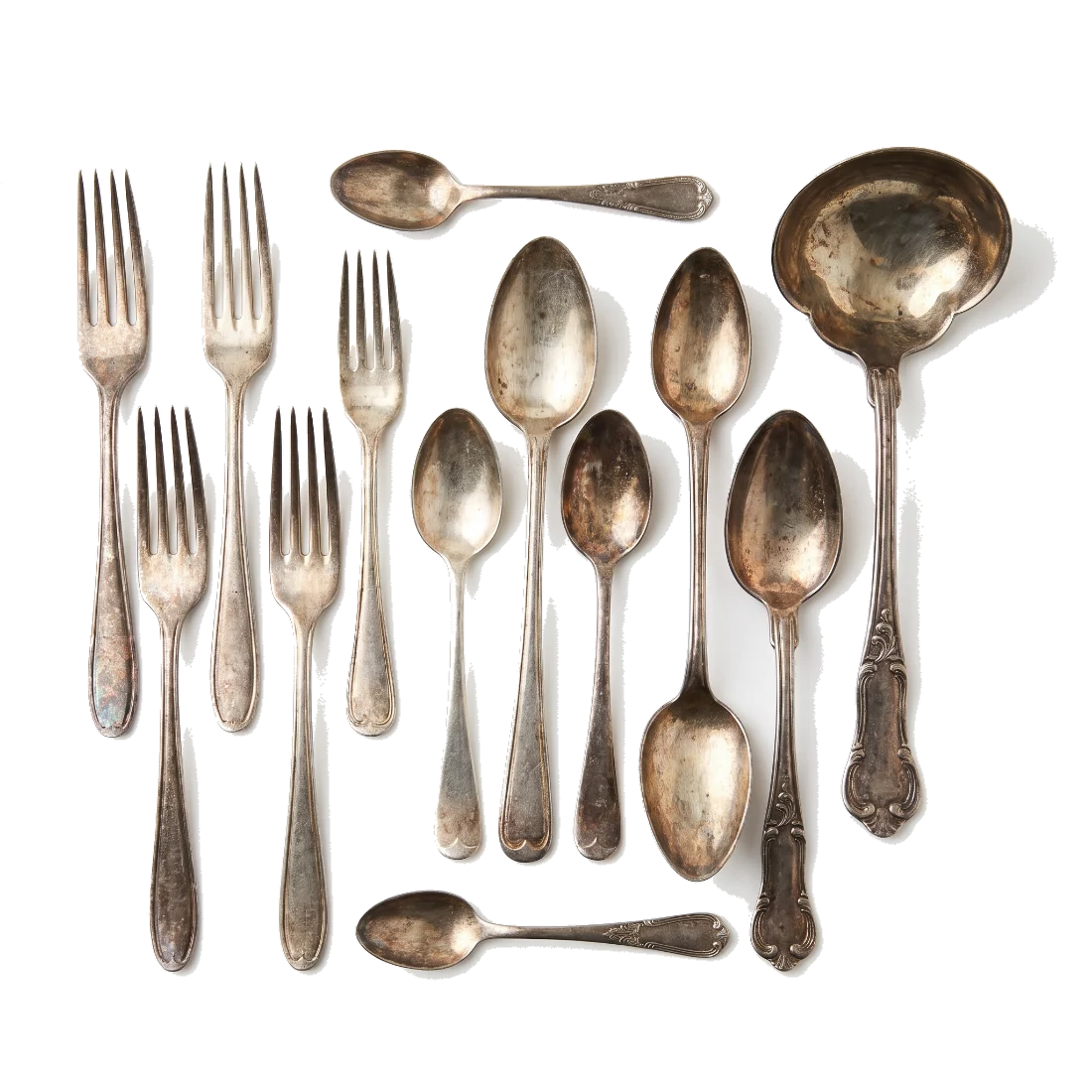
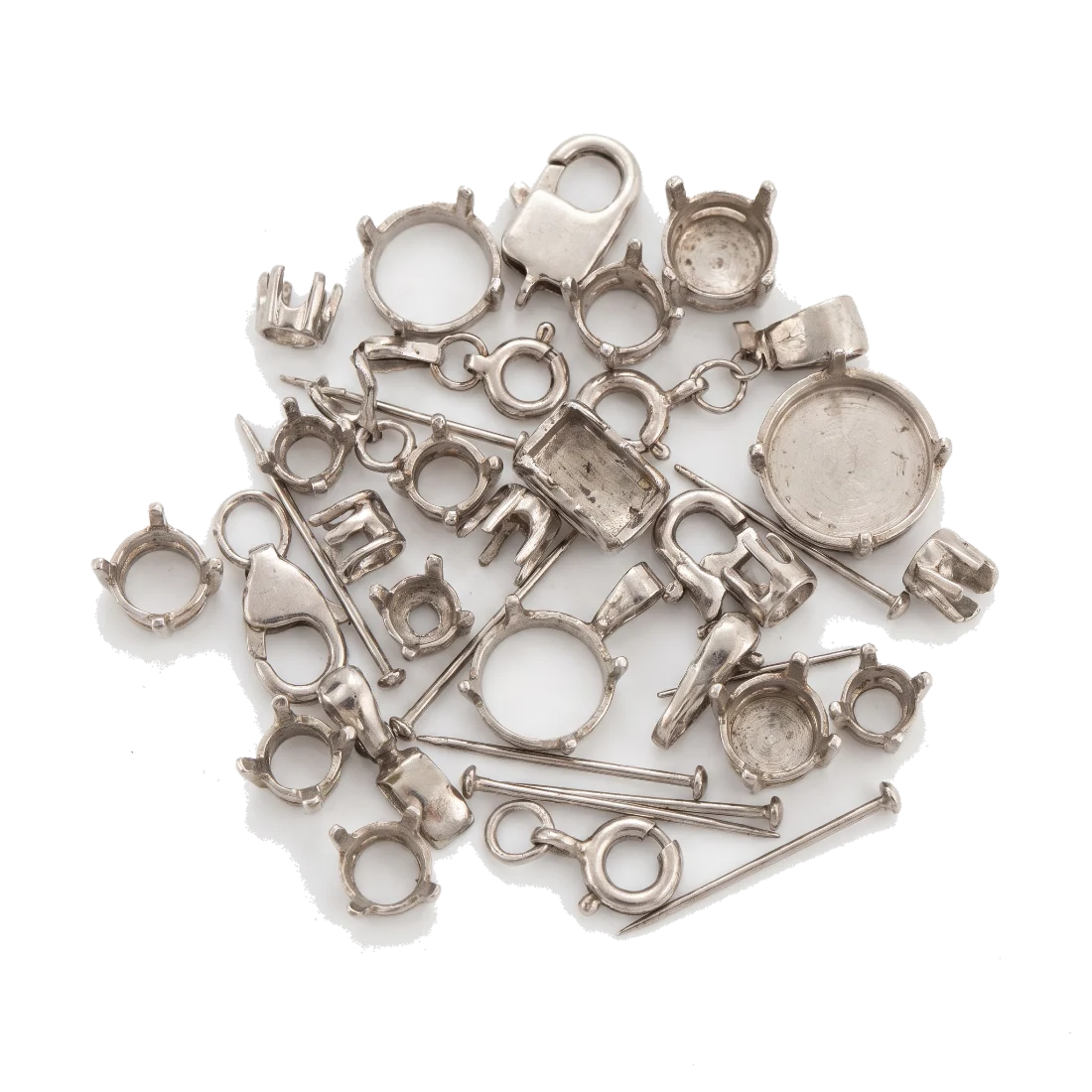
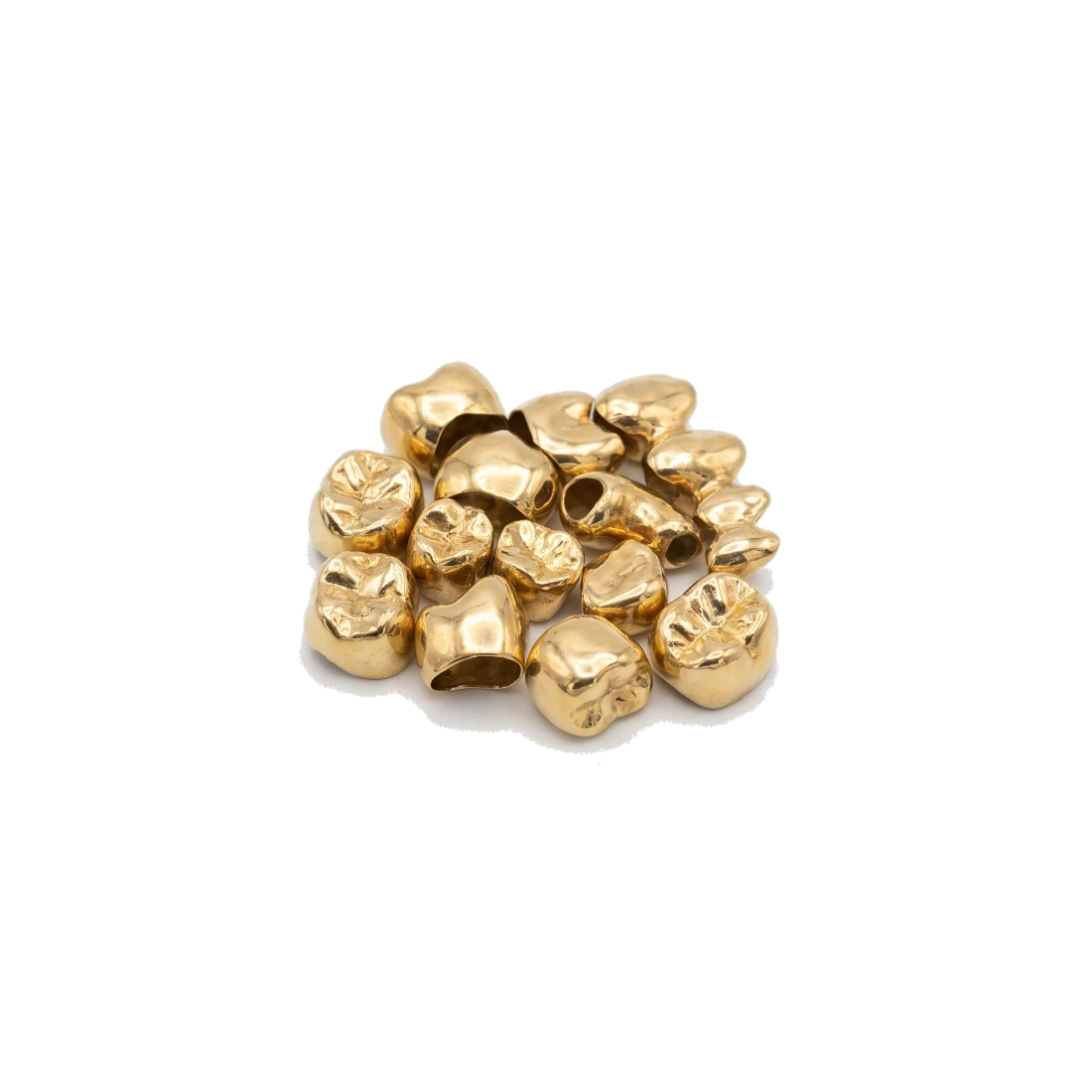

Gold from 8K to 24K, every karat between. Sterling and better. Platinum 900, 950 and fine. Gold, silver and platinum each have their own page.

Eight karat through twenty-four.
Scrap, bench sweeps, broken stock, dental. Karat is your declaration when you close; the assay on arrival is what governs.
- 10K
- 14K
- 18K
- 22K
- 24K
Anything from 8K up is bought. The five above are the ones the quote form prices directly.
Read on XRF.
The same bench you would stand at, and the same instrument. The difference is the camera.
Send in grams, pennyweight or troy ounces. Every figure you are shown comes back in the unit you entered — we do not convert your weight and hand it back as a different number.
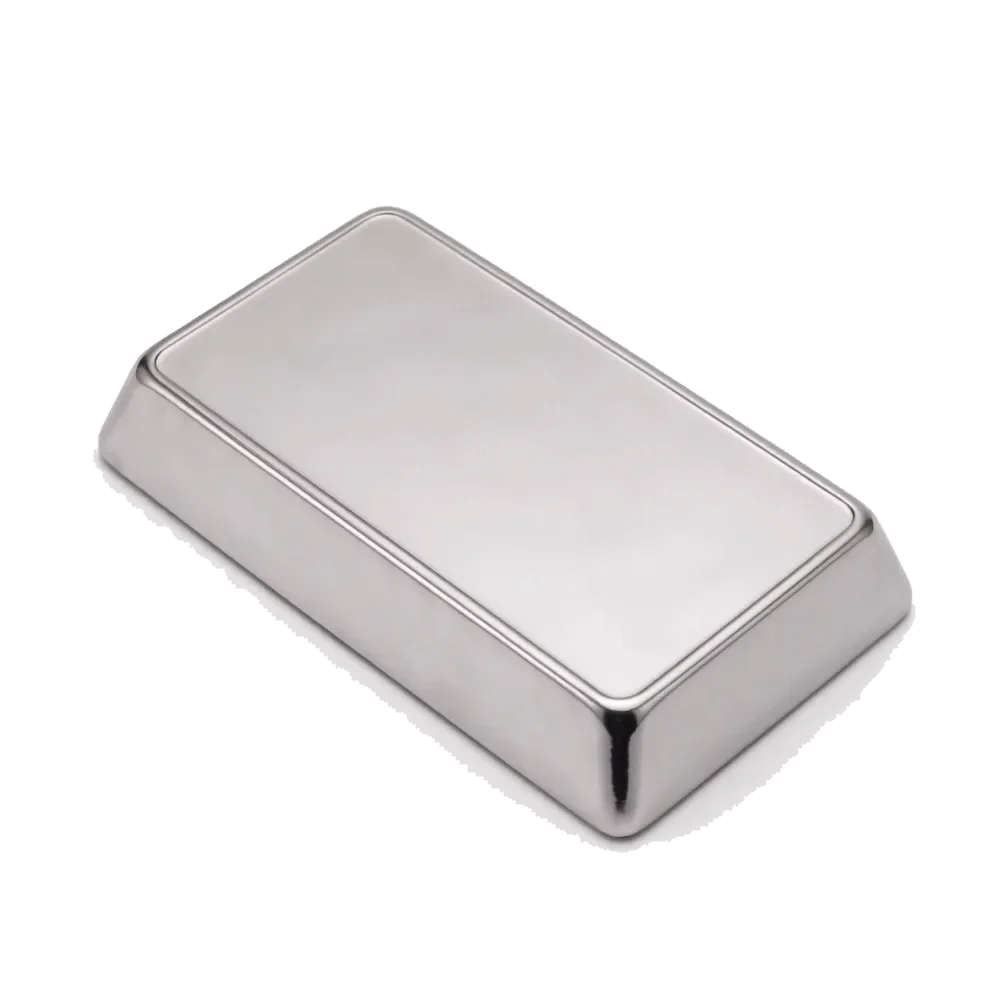
Sterling and better.
Flatware, hollowware, scrap and coin. Volume is worth sending; a handful rarely covers the carriage, and we will say so before you pack it.
- SL925
Coin .900 and fine .999 are bought too — enter them on the quote form and the figure comes back against the grade you state.
Silver lots arrive heavy and mixed. Everything is weighed as one lot on camera, then assayed, then settled — in that order, with you watching.
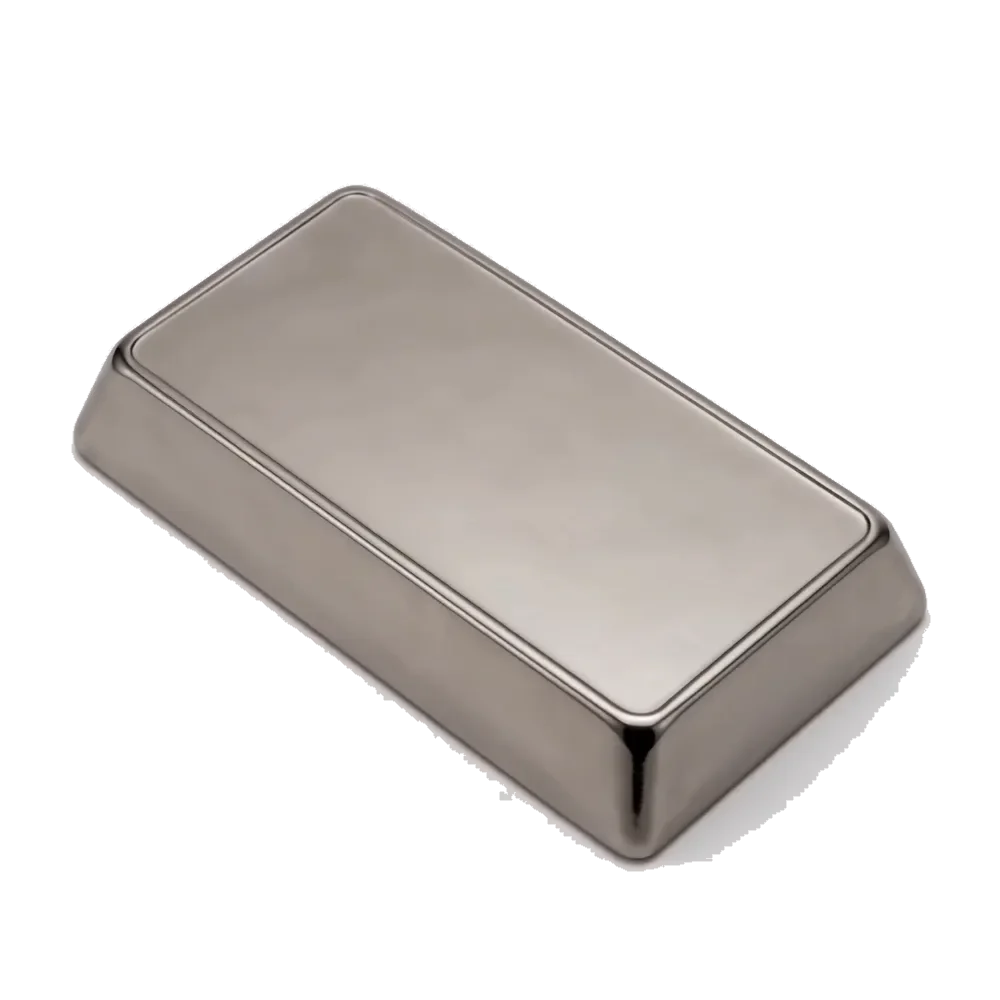
900 and 950 settings.
Mounts, findings, bench scrap and lab material. Platinum carries its own deduction per ounce, and it is applied before the rate rather than hidden inside it.
- .900
- .950
- .999
White metal arrives mixed more often than not. Palladium and white gold are separated on camera before anything is weighed against your platinum quote.
Four steps, and the price is fixed at the second one.
Most of what makes a posted lot uncomfortable is the gap between sending it and finding out what it was worth. Closing the price first removes that gap.
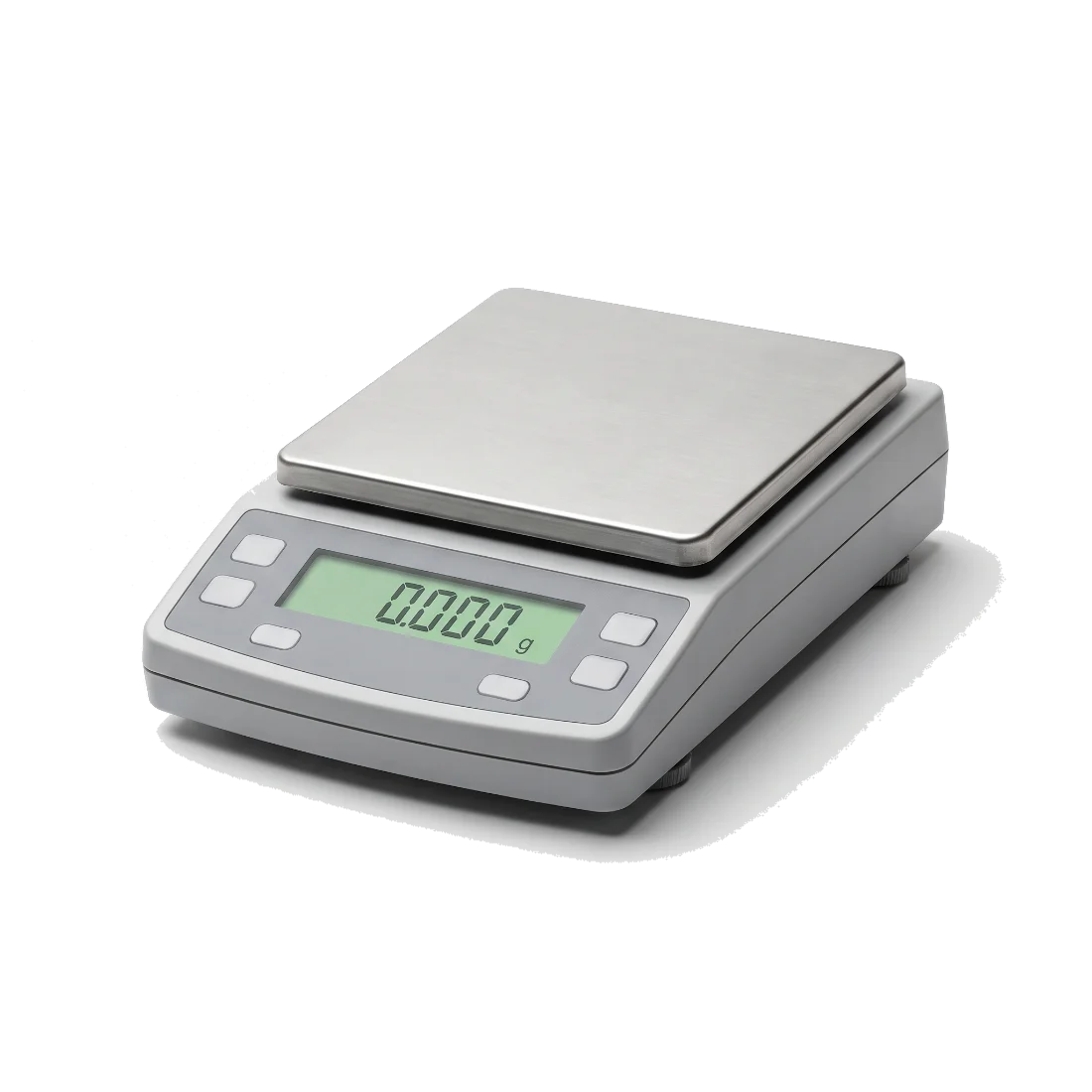
Tell us what you have
Your area, then every grade in the lot and what each one weighs — in whatever unit you weigh in. See your figure, line by line.

Close it, then fill the container
Closing locks the price to you, and sets the value the lot is insured for. We send an insured container; you fill it, seal it and hand it to FedEx.

Watch the XRF
A call is booked for when the lot lands. The lot is weighed on camera, then read on the analyser while you watch.
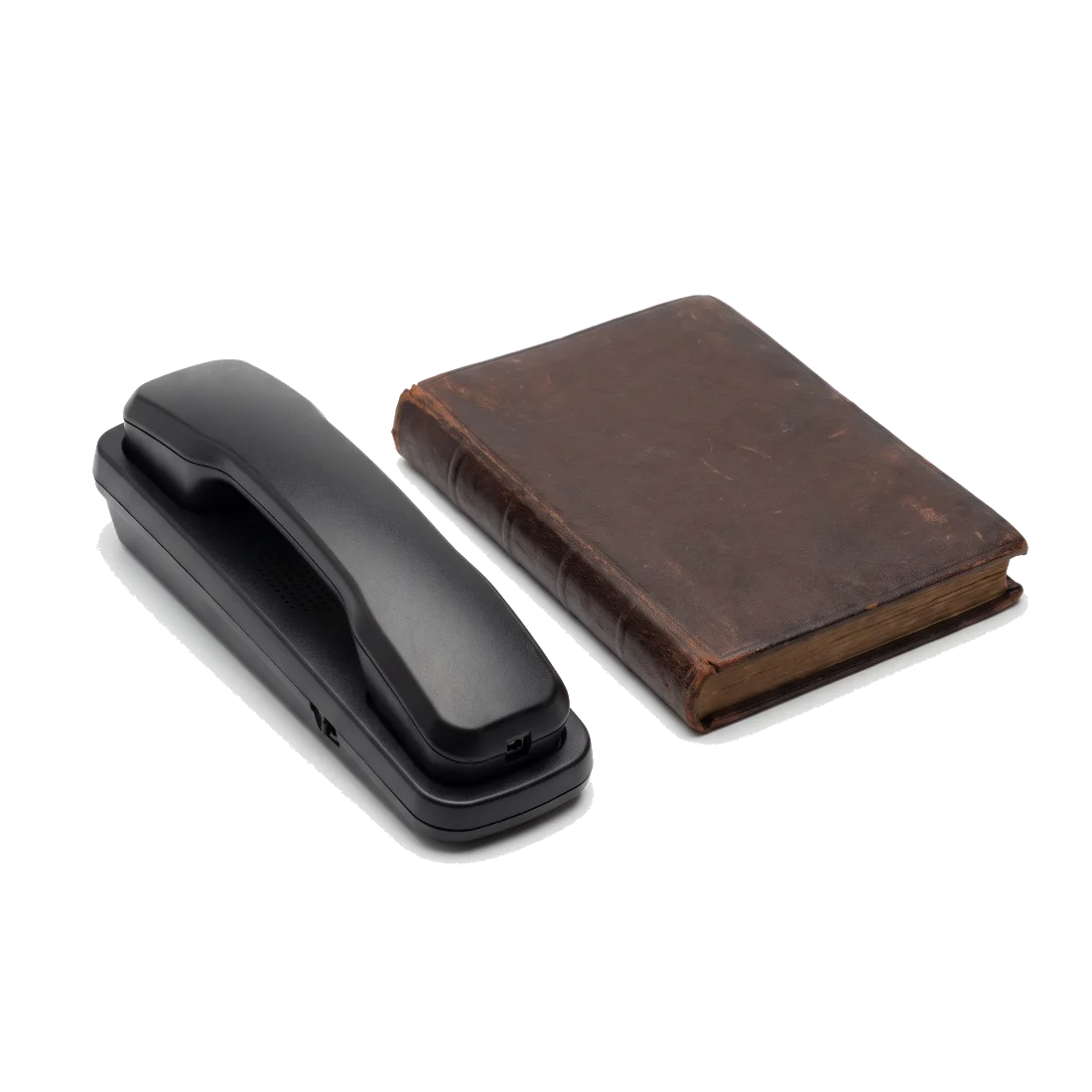
Settled on the call
Nothing is agreed until you have seen the reading. Settlement is the same day, once it is agreed on the call.
A lock is a commitment on both sides.
When you close, we fix your price against the market at that moment and hold it for you. That is worth stating plainly rather than burying: it protects you from the market moving against you between packing and arrival, and it is the reason the terms below exist.
A lock has no deadline. The price you close holds until the full closed weight has been delivered, however long that takes.
The locked price applies to the weight you closed. Send less and you are paid the locked price on what arrives, and the rest stays locked at that same price for whenever you send it. Send more and the excess settles at the market on arrival. Grade is your declaration at closing, and the assay on arrival is what governs — which is why you watch it happen.
Fifty years on 47th Street.
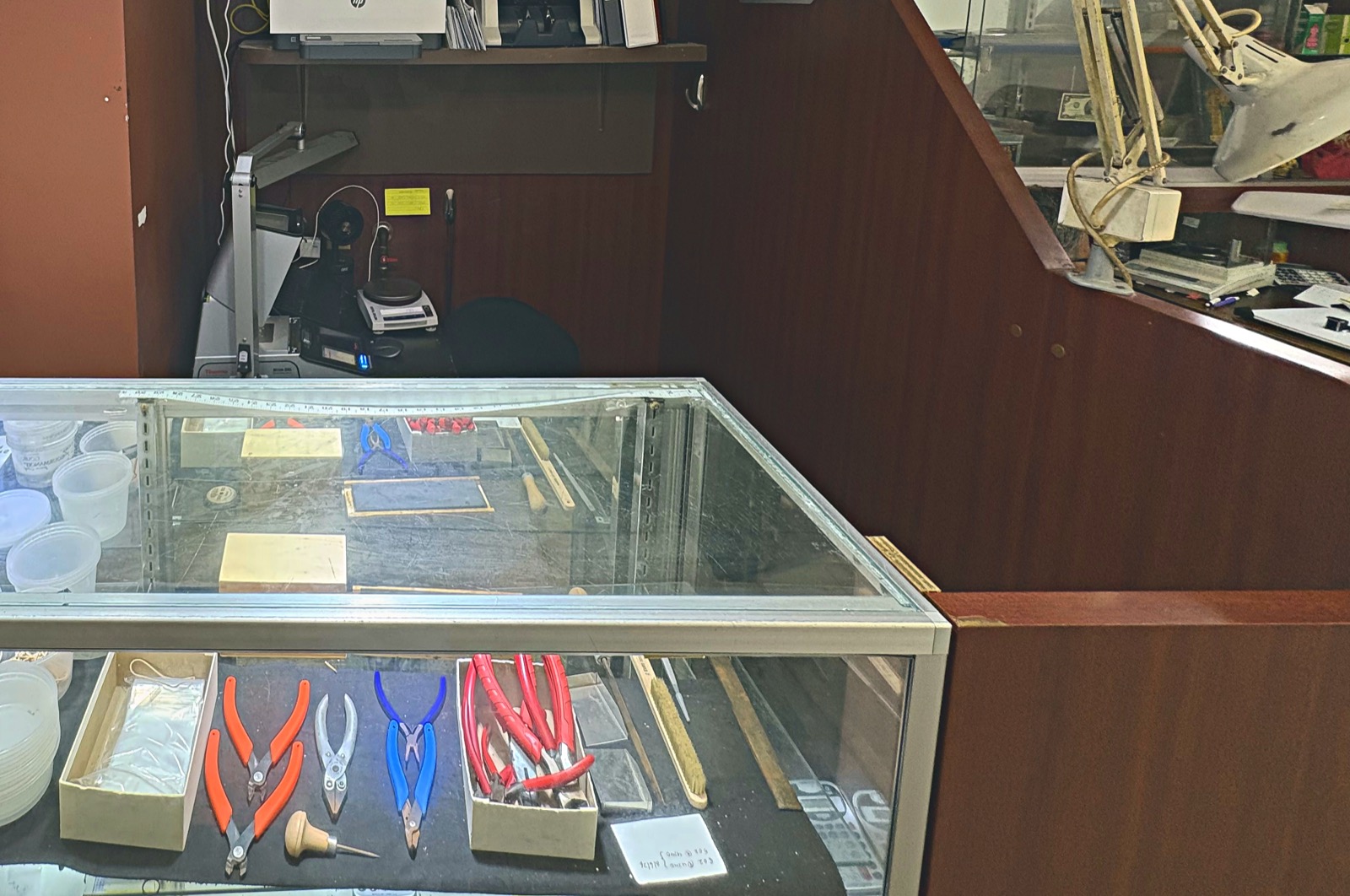
Roizin has traded from the Diamond District since 1976 and still buys across the counter every weekday. The mail-in program runs on that same counter — the terms are the same, the bench is the same, and you watch the reading on the same instrument.
37 W 47th St, Booth 57, New York, NY 10036.
Monday to Friday, 10:30 to 17:30. Ask for David or Egor.
(646) 702-0904 · info@roizinrefinery.com
See what your lot is worth.
Asking commits you to nothing. Nothing is locked until you choose to lock it.